Skip to content
FeaturesIndustriesBlog
Pricing
LoginBook a demo
  • English
  • Français
  • Español
  • Italiano
  • Deutsch
  • Português
  • Polski
  • Ελληνικά
  • English (US)
  • 日本語
  • العربية
  • Dansk
  • Magyar
  • 中文
  • עברית

Product

  • Sell
  • Manage
  • Grow
  • Features
  • Pricing

Platform

  • Integrations
  • Developers

Industries

  • All industries
  • Attractions
  • Tour Operators
  • Activity Providers
  • Cultural Sites & Monuments
  • Animal Parks
  • Event Organisers

Company

  • About Us
  • Book a demo

Resources

  • Blog
  • Customers
  • Case studies
  • Alternatives
  • Sitemap
  • Press Kit

Legal

  • Terms of Service
  • Privacy Policy
  • Cookies

External links

  • Status
  • Help Desk
  • YouTube
  • LinkedIn
  • X

© 2026 TicketingHub LTD.

  1. Home
  2. /Blog
  3. /Getting Started

Does a Tour Operator Need a License? Requirements Explained

What licenses tour operators need, by location, tour type, and transport — plus the insurance and certification requirements to check before launch.

Ask ChatGPTAsk PerplexityAsk ClaudeAsk GeminiAsk Grok

Bibim Banez • July 7, 2025 • 5min read

Starting as a tour operator is thrilling. You get to sell travel and share the world with others.

Before you start, it's key to know the regulatory landscape for this job.

Whether a tour operator needs a license to sell travel depends on where they work, the types of tours, and local rules. Here are some general points.

1. Location-Specific Regulations

Each country, state, or city has its own rules for tour operators. Some places require a license, others don't.

Hand placing national flags on colorful world map model

Each country, state, and city has its own rules. Photo by Lara Jameson from Pexels.

Example: In New York City, tour guides must pass a test to get a Sightseeing Guide License from the Department of Consumer Affairs.

2. Type of Tours

The type of tours can affect licensing needs. For example, adventure tours or wildlife trips might need stricter licenses than city tours.

Safari jeep with tourists photographing elephants in African savanna

Wildlife trips may face stricter rules and license needs. Photo by Gerbert Voortman from Pexels.

Example: A tour operator offering scuba diving trips in Australia must follow the Australian Standards for commercial diving.

3. Transportation Services

If the tour uses buses or boat tours, extra licenses and fees for vehicles and drivers might be needed.
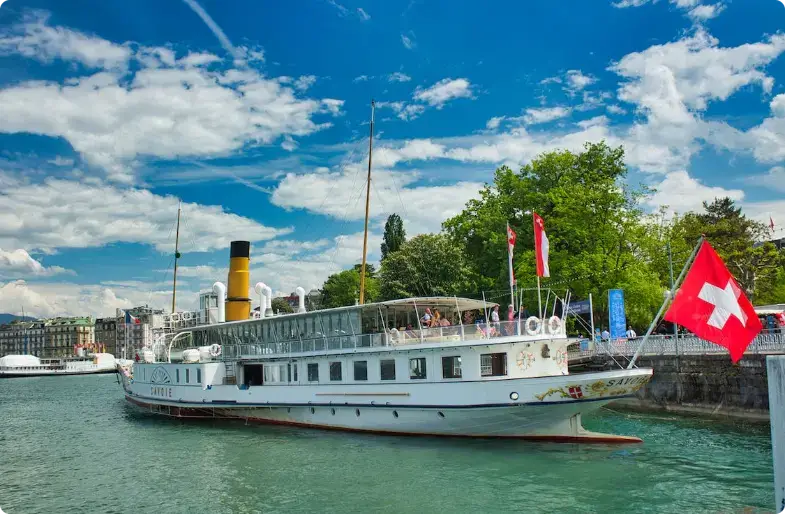
Classic white steamboat docked in Swiss harbor with Swiss flag

For bus or boat tours, extra licenses for vehicles and drivers may be needed. Photo by NUNO RAIMUNDO from Pexels.

Example: A tour operator in Paris running city tours by minibus needs a transport license for the vehicle and a driving license for the driver.

4. Insurance and Liability

Even if you don't need a business license, having the right insurance and knowing about liability is key. This protects both your business and your customers.

Hikers resting on grassy hillside overlooking majestic alpine mountain landscape

Getting insurance and understanding liability is key to protect both the business and clients. Photo by Misael Kwang Sun No from Pexels.

Example: A hiking tour company in the Rockies might need special insurance for outdoor activities on rough land.

5. Affiliations and Certifications

Though not always needed, joining tourism groups or getting certifications can boost trust in travel products.

Legal office desk with certificate, Lady Justice statue, and open notebook

Getting certain certifications can make you more credible and reliable. Photo by Pavel Danilyuk from Pexels.

Example: A wildlife safari operator in Kenya might get a travel agent certification from the Kenya Professional Safari Guides Association. This boosts the agency's credibility and ensures safety and ethical standards.

Conclusion

Aspiring tour operators should research and follow the legal needs of their area. Talking to local tourism boards or travel advisors can clarify these needs.

Becoming a tour operator involves many steps. You need to know the licensing needs for your area, the tours you want to offer, and the rules that apply. Each part is key to starting a successful and legal tour business.

Thinking about transport, gear, and insurance is key for safety and client happiness. By handling these well, you can start a career that mixes travel passion with making great experiences for others.

‍

Commonly Asked Questions

Here are answers to common questions about getting a tour guide license:

1. What are the requirements for a tour guide license?

Requirements vary by place but often include being of legal age, a high school diploma, and sometimes training. Knowing local history, culture, and speaking many languages are common needs. Some places also ask for background checks.

2. Do I need to pass an exam to become a licensed tour guide?

In many places, yes. The test usually covers the area's history, culture, landmarks, and sometimes language skills. Tests can be written or practical.

3. What is a tour operator?

A tour operator is a person or company that plans and sets up travel experiences, like guided tours or vacation packages. They manage the planning, logistics, and travel services, including places to stay, transport, and activities, to make full travel packages for customers.

4. How do I get a travel agency license in the USA?

To get a travel agency license in the USA, follow these steps:

  • Business Structure: Choose the legal setup for your travel agency, like sole owner, partnership, LLC, or corporation.
  • Business Registration: Register your tour business as a company with the right state office and get any needed licenses.
  • Licensing Requirements: Check your state's travel law for agency license needs, like background checks and bonding.
  • Insurance: Get errors and omissions (E&O) insurance to protect your business bank account from liability issues.
  • Trust Account: Set up a trust account to handle customer payments and meet financial needs.
  • Office Space: Get office space if your state's rules require it.
  • Annual Licensing Fee: Pay the yearly fee required by your license or local rules.
  • Travel Documents: Learn the travel laws and rules for your area, including any need for a written contract, client contracts, and handling travel documents.
  • Local Chamber: Join your local chamber of commerce or industry group to stay updated and network.

5. What is the difference between a tour operator and a travel agent?

The main difference between a tour operator and a travel agent is the range of services they offer.

  • Tour Operator: A tour operator plans and sets up travel experiences, often putting together parts of a trip like places to stay, transport, and activities. They make full tour packages for travelers.
  • Travel Agent: A travel agent connects travelers with travel services. They help book travel parts like flights and hotels or give advice.

6. Can I be a travel agent without a host agency?

Yes, you can be a travel agent without a host agency. Independent agents work directly with clients and service providers.

But, being with a host agency can give benefits like industry connections, resources, and training. Whether you work alone or with a host depends on your goals and choices.

Related articles

What is Dynamic Ticket Pricing - Guide for Tour Operators

What is Dynamic Ticket Pricing - Guide for Tour Operators

Learn how dynamic ticket pricing helps boost profits and efficiency by adjusting prices in real-time based on market demand and competition.

Bibim Banez · Jul 7, 2025

How Do Tour Operators Work?

How Do Tour Operators Work?

Discover how tour operators create seamless travel experiences through great partnerships, flexible packages, and easy booking processes.

Bibim Banez · Jul 7, 2025

How to Become a Tour Operator?

How to Become a Tour Operator?

How to become a tour operator and run a successful tour operator business? Take these expert tips and strategies.

Bibim Banez · Jul 7, 2025

See if TicketingHub fits your operation. Walk through your products, channels, and stack with our team — concrete answers, no fluff.

Book a demo

3% per booking

No monthly fees or setup costs. Card, cash & OTAs—everything included.

View pricing →

Rated 5.0 by 300+ tour operators worldwide.