Starting as a tour operator is thrilling. You get to sell travel and share the world with others.
Before you start, it's key to know the regulatory landscape for this job.
Whether a tour operator needs a license to sell travel depends on where they work, the types of tours, and local rules. Here are some general points.
1. Location-Specific Regulations
Each country, state, or city has its own rules for tour operators. Some places require a license, others don't.

Each country, state, and city has its own rules. Photo by Lara Jameson from Pexels.
Example: In New York City, tour guides must pass a test to get a Sightseeing Guide License from the Department of Consumer Affairs.
2. Type of Tours
The type of tours can affect licensing needs. For example, adventure tours or wildlife trips might need stricter licenses than city tours.
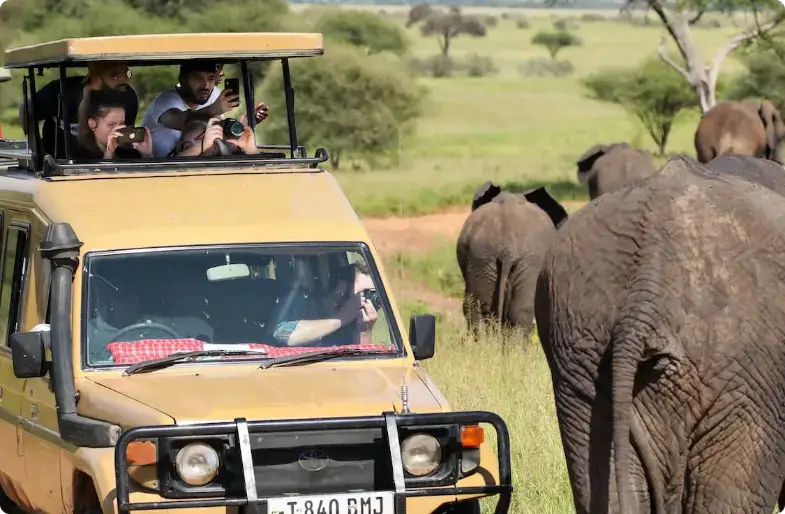
Wildlife trips may face stricter rules and license needs. Photo by Gerbert Voortman from Pexels.
Example: A tour operator offering scuba diving trips in Australia must follow the Australian Standards for commercial diving.
3. Transportation Services
If the tour uses buses or boat tours, extra licenses and fees for vehicles and drivers might be needed.
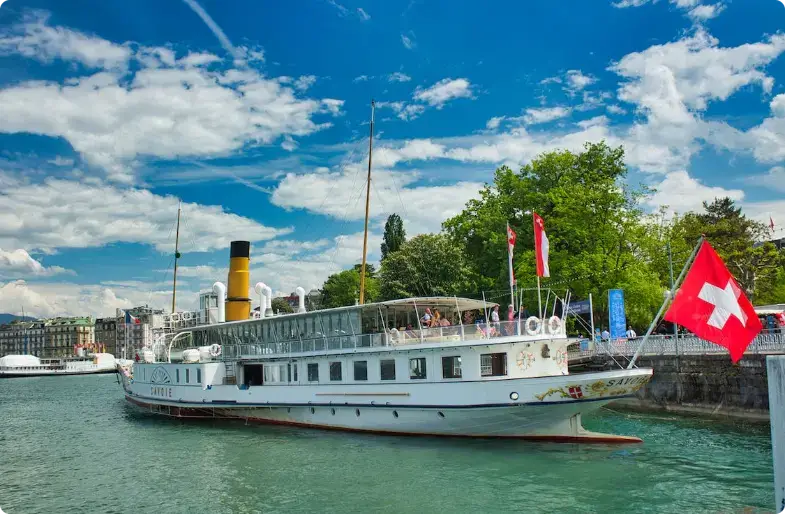
For bus or boat tours, extra licenses for vehicles and drivers may be needed. Photo by NUNO RAIMUNDO from Pexels.
Example: A tour operator in Paris running city tours by minibus needs a transport license for the vehicle and a driving license for the driver.
4. Insurance and Liability
Even if you don't need a business license, having the right insurance and knowing about liability is key. This protects both your business and your customers.
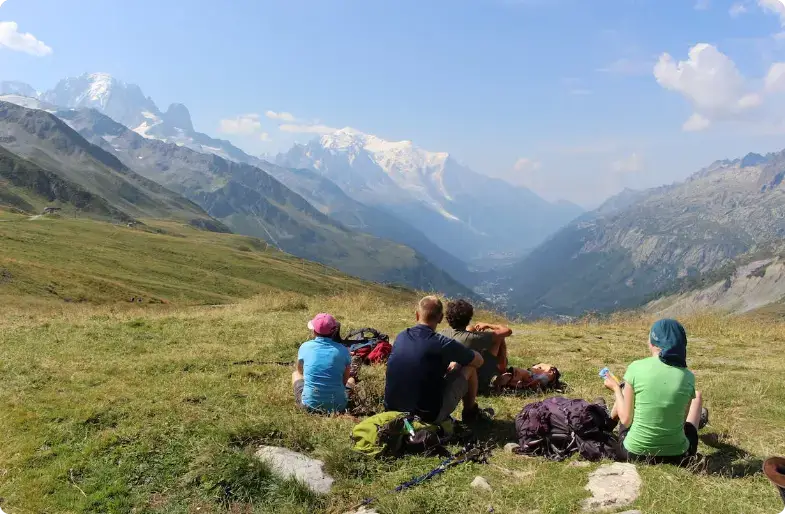
Getting insurance and understanding liability is key to protect both the business and clients. Photo by Misael Kwang Sun No from Pexels.
Example: A hiking tour company in the Rockies might need special insurance for outdoor activities on rough land.
5. Affiliations and Certifications
Though not always needed, joining tourism groups or getting certifications can boost trust in travel products.

Getting certain certifications can make you more credible and reliable. Photo by Pavel Danilyuk from Pexels.
Example: A wildlife safari operator in Kenya might get a travel agent certification from the Kenya Professional Safari Guides Association. This boosts the agency's credibility and ensures safety and ethical standards.
Conclusion
Aspiring tour operators should research and follow the legal needs of their area. Talking to local tourism boards or travel advisors can clarify these needs.
Becoming a tour operator involves many steps. You need to know the licensing needs for your area, the tours you want to offer, and the rules that apply. Each part is key to starting a successful and legal tour business.
Thinking about transport, gear, and insurance is key for safety and client happiness. By handling these well, you can start a career that mixes travel passion with making great experiences for others.
Commonly Asked Questions
Here are answers to common questions about getting a tour guide license: