Why Viator and TripAdvisor matter for tour operators
For most tour, activity and attraction operators, Viator is the single largest source of third-party bookings available anywhere. As part of the TripAdvisor family, it places your products in front of hundreds of millions of travellers who are already researching your destination — and who trust the reviews sitting right next to the booking button. Few marketing channels can put that much qualified demand in front of a small operator overnight.
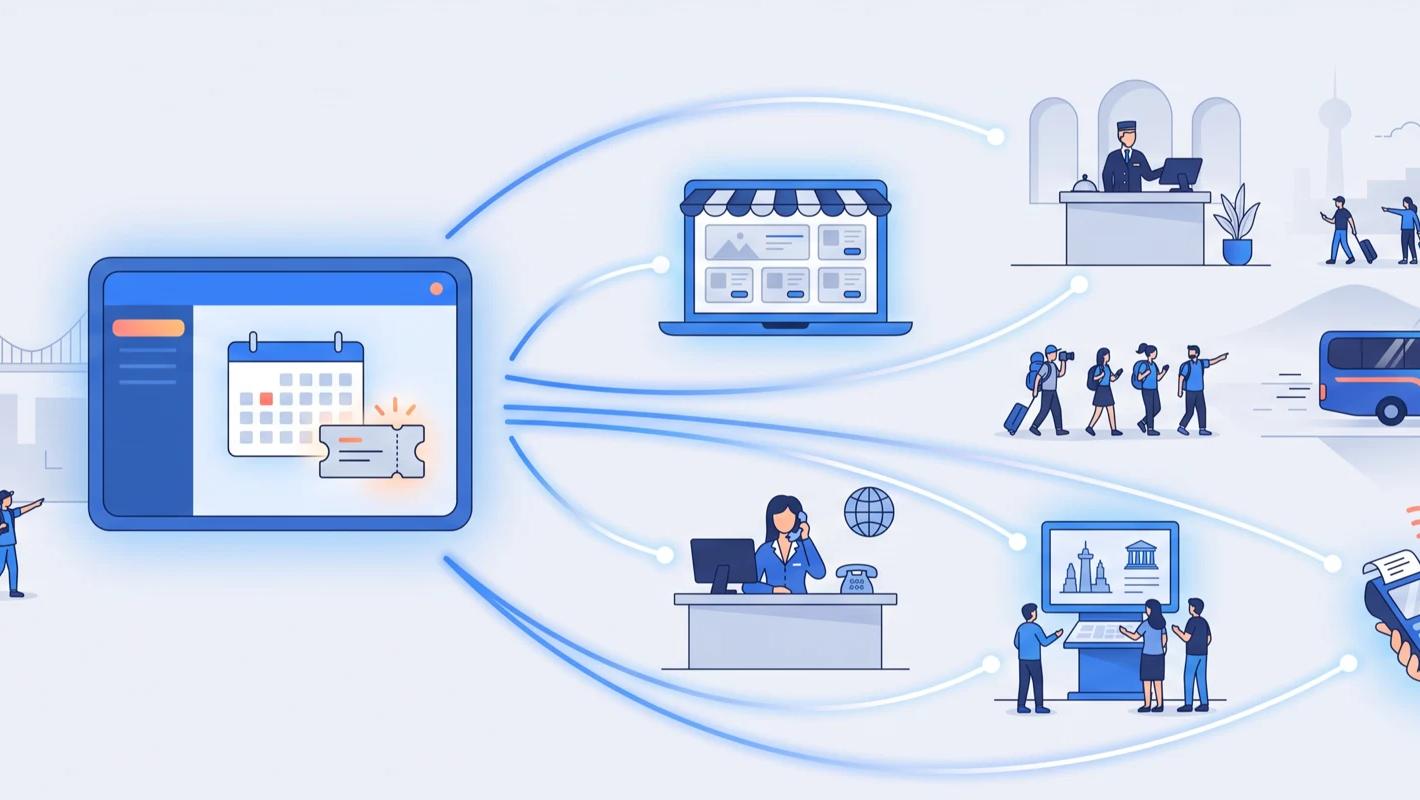
The flip side of that volume is operational: bookings arriving around the clock, in every time zone, against the same seats your website and box office are selling. TicketingHub's integration exists to make that safe. One availability pool feeds Viator, TripAdvisor, your own website and your in-person sales, and every booking — wherever it was made — lands in one dashboard and on one manifest.
What is a Viator supplier?
Viator is an online marketplace for tours, activities and attraction tickets, owned by TripAdvisor, the world's largest travel guidance site. Becoming a Viator supplier means your experiences are distributed across Viator itself, TripAdvisor's booking surfaces and Viator's wider affiliate network — one listing, many storefronts.
Viator charges suppliers a commission on sales made through the marketplace. The exact terms are set out in your Viator supplier agreement, so read it closely and factor it into your channel pricing. TicketingHub plays no part in that commission — it simply keeps the bookings and availability flowing.
What the integration does
- Manage Viator, TripAdvisor, direct website and in-person bookings from one place instead of switching between systems.
- New bookings and availability changes flow both ways instantly, so a sale on Viator immediately reduces what every other channel can sell.
- Because all channels draw on one shared calendar, an overbooked departure becomes structurally impossible rather than something you catch by luck.
- Viator bookings arrive with their details already in your dashboard and manifests — nobody has to copy reservations between systems at the end of the day.
Three ways operators use the connection
Filling quiet departures
Midweek mornings and shoulder-season dates that your direct marketing struggles to fill are exactly where marketplace demand helps most. Operators typically leave all departures open to Viator and let the marketplace's global audience top up whatever direct sales leave behind — the shared calendar means there is no risk in doing so.
Reaching travellers who book before they fly
A large share of Viator and TripAdvisor customers book experiences while still planning their trip, often from another country and in another language. For an operator, that is demand you could not reach with local advertising at any reasonable cost — and it arrives as confirmed, pre-paid bookings in your dashboard.
Running high-volume attractions safely
Attractions selling hundreds of tickets a day cannot afford a lag between channels. With live inventory sync, a busy Saturday sells down one shared pool: when capacity is gone, Viator, TripAdvisor and your own website all stop selling at the same moment.
Tips for success as a Viator supplier
- Quick replies to booking questions and traveller messages make customers feel valued — and responsiveness matters to how your listing performs.
- With the TicketingHub connection this is automatic, which removes the most common cause of supplier cancellations: stale calendars.
- It remains your home for listing content, photos, pricing and performance data, even when bookings and availability flow through TicketingHub.
- TripAdvisor reviews sit beside your booking button. Monitoring performance and acting on feedback compounds over time into better placement and more bookings.
How to connect Viator to TicketingHub
The connection is set up from your TicketingHub supplier dashboard: add a wholesale rate to each product, create Viator as a reseller and assign the rate, then create a channel containing the products Viator may sell and share its access token. Your Viator contact links that token on their side.
To verify the connection, make a test booking on your Viator product page and continue to the passenger-details step — no payment needed. Within a couple of minutes a pending booking should appear in TicketingHub under Orders with Viator named as the reseller. If it does not, check the channel is enabled and contact support.